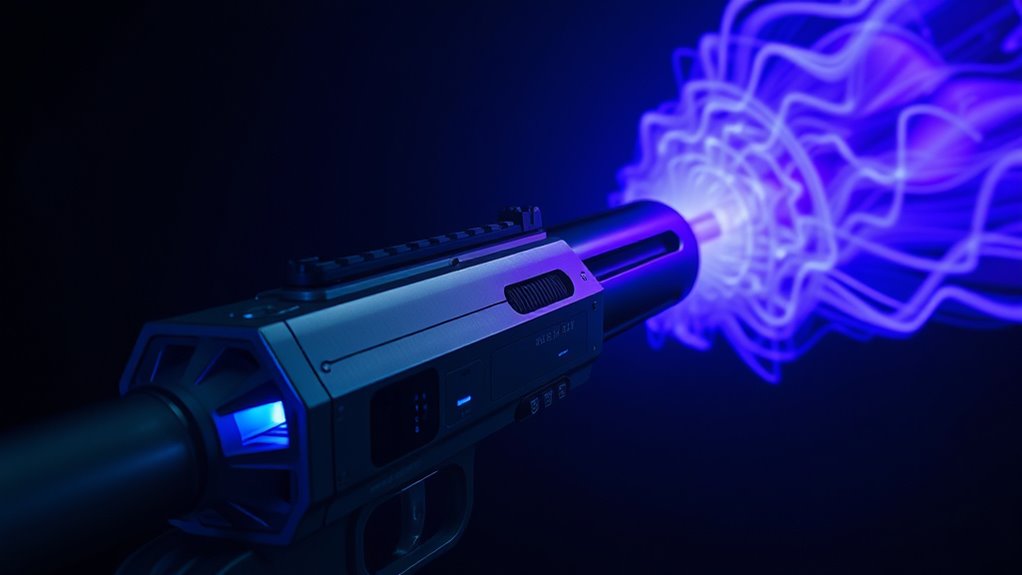
What Is a Sonic Weapon?
Are you tired of dealing with noisy crowds or feeling unsafe in public spaces? Many people struggle with feeling vulnerable or wanting a way to stay secure without using lethal force. That’s where sonic weapons come into play, offering a non-lethal way to protect yourself.
A sonic weapon uses focused sound waves to incapacitate, disorient, or repel targets without causing permanent harm. These devices emit specific frequencies that affect your senses and nervous system, causing discomfort or temporary confusion. They’ve evolved from military crowd control tools to civilian security systems, but there are health and ethical concerns.
If you keep exploring, you’ll uncover more about how these high-tech devices work and their potential impacts.
Key Takeaways
- Sonic weapons use focused sound waves to incapacitate or disorient targets without causing permanent harm.
- They were developed during the Cold War mainly for crowd control purposes.
- These devices emit specific sounds to cause discomfort, headaches, or confusion, all without physical contact.
- Common examples include LRADs and focused ultrasound systems, often used to keep people away from certain areas or disperse crowds.
- There are ethical and safety concerns surrounding these weapons, especially regarding potential health risks and human rights.
What Are Sonic Weapons and How Do They Work?

Sonic weapons are devices that use focused sound waves to incapacitate or disorient targets without direct physical contact. They work by emitting sound at specific frequencies that can affect the human body or senses.
These frequencies vary, allowing the device to produce different effects like discomfort or temporary confusion. When turned on, sonic weapons focus energy into a narrow beam, reducing energy dispersion and hitting targets precisely.
Varying frequencies enable sonic weapons to induce discomfort or confusion with precise, focused energy delivery.
This focused sound causes vibrations in body tissues or impacts the auditory system, leading to discomfort or disorientation. The key is controlling the sound frequency to be effective without causing permanent harm.
Because they disperse energy efficiently, sonic weapons can target individuals strongly while avoiding widespread noise pollution. Understanding how sound frequency and energy distribution work helps explain how they incapacitate targets effectively without physical contact.
How Do Sonic Weapons Incapacitate?
Sonic weapons incapacitate targets mainly by disrupting their sensory and nervous systems using specifically tuned sound waves. They create the right sound frequencies to affect how we hear and balance.
By changing the pitch or loudness, these weapons mess with normal auditory processing, causing discomfort or confusion. They send sound waves through the environment, reaching the target without causing lasting harm.
When these waves hit your sensory organs, they can cause nausea, headaches, or an overwhelming sense of pressure. This makes it hard to function or concentrate. The sound waves are directed carefully to reach the target effectively.
Some sonic devices produce waves that resonate with parts of your nervous system, disrupting communication between your brain and body. This targeted interference can quickly incapacitate someone, often causing them to withdraw or become temporarily helpless.
What Are the Different Types of Sonic Weapons?
You’ll notice that sonic weapons come in a few different types, like acoustic blasters and emitters. These devices focus sound in a way that can really overwhelm targets, almost like sea creatures using echolocation but in a much more intense way. It’s pretty fascinating how they manipulate sound waves to achieve their effects.
Then there are the long-range sonic devices. These are equipped with powerful speakers designed to project destructive sound waves over large distances. Think of it like using a super loud speaker, but instead of just shouting, it’s sending out specific sound frequencies meant to disorient or disable. Understanding these various types really helps to see how they’re used in different tactical and defensive situations—whether up close or at a distance.
Acoustic Blasters and Emitters
As you investigate how these devices are used, consider how humor analysis shifts perceptions of them. Sometimes they’re seen as futuristic, and other times as tools of control.
Their cultural impact is significant and influences debates on privacy and ethical limits. They blur the line between entertainment and weaponry.
Their design reflects society’s fascination with technology. Public perceptions can shape policies and how acceptable these devices are.
Understanding these devices reveals not just their technical function but also how society interprets and fears sound-based power. Acoustic blasters and emitters exemplify the complex relationship between science and culture in modern weaponry.
Long-Range Sonic Devices
Are there different types of long-range sonic devices designed for various applications? Historically, these devices came about to control crowds and deter threats. Early models faced significant technological challenges, making progress slow.
Modern long-range sonic weapons can emit focused sound waves over kilometers. This makes them effective for area denial or crowd dispersal. One well-known example is the Long-Range Acoustic Device, or LRAD, which projects loud sounds directly toward targets.
Developing such technology isn’t simple. It requires precise control of sound frequency and intensity to avoid causing unintended harm. Despite advances, these devices still have issues like limited directional control and potential long-term health effects.
Understanding what these devices can and cannot do helps us see how they fit into current security and military strategies.
How Are Sonic Weapons Used in Military and Crowd Control?
Sonic weapons are used in military and crowd control mainly because they provide targeted, non-lethal force that can incapacitate people without causing lasting harm.
They have roots in crowd suppression and anti-riot tools and have evolved into more sophisticated devices over time.
These weapons use high-frequency sounds to disorient and disperse crowds, giving authorities a strategic advantage.
High-frequency sounds disorient crowds, providing authorities with a strategic, non-lethal means of control.
Their cultural impact is significant, shaping how we see security and control.
You might notice they symbolize advanced surveillance and enforcement techniques.
They also raise ethical questions about their acceptable use and human rights.
Are Sonic Weapons Safe? What Are the Health Risks?
Although sonic weapons are designed to be non-lethal, concerns about their safety remain because prolonged exposure or high-intensity signals can pose health risks.
Historically, these devices have been used for crowd control and military purposes, which raises questions about their effects on sensory perception.
When exposed to powerful sound waves, you might experience discomfort, dizziness, or headaches.
In extreme cases, prolonged high-intensity signals can cause hearing damage or auditory trauma.
The sensory perception of sound varies among individuals, making some more susceptible to adverse effects.
Research suggests that repeated or sustained exposure could lead to long-term health issues, including stress or ear-related problems.
While they are intended to be safe when used appropriately, imperfect regulation and potential misuse can increase health risks.
Thus, understanding these dangers is essential, especially for those who might be exposed to sonic weapons frequently or at high intensities.
What Ethical Concerns Are Associated With Sonic Weapons?
You might be curious about the ethical concerns surrounding sonic weapons. One major issue is privacy—these weapons could potentially be used to eavesdrop on people or even manipulate them without their consent. That’s pretty worrying because it raises questions about personal privacy and how secure our conversations really are.
There’s also the risk that such technology could be misused by authorities or malicious actors. Imagine it being used to target, harass, or intimidate individuals unfairly—that’s a serious ethical problem. These concerns make us think about how we can protect civil liberties and make sure these powerful sonic tools aren’t abused or turned into weapons of injustice.
Privacy Violations Risks
What ethical concerns arise when sonic weapons are used, particularly regarding privacy violations? You might not realize that their deployment can lead to privacy breaches and unauthorized data collection. Governments or organizations could secretly capture conversations or monitor movements without consent. This raises serious questions about your personal privacy rights.
To understand these risks better, consider:
- The stealthy gathering of sensitive audio data without approval
- Potential misuse for surveillance beyond legal boundaries
- Lack of transparency about when and how sonic weapons are employed
These issues highlight how sonic weapons could compromise your privacy, making you vulnerable to intrusive monitoring. Ensuring clear regulations and ethical guidelines is vital to prevent misuse and protect individual rights.
Potential for Abuse
The ethical concerns around sonic weapons go beyond just privacy violations. They include the risks of misuse, which can be serious.
These weapons might cause unintended effects like disorientation or health problems if they’re used improperly or in the wrong situations.
Without strict measures to prevent misuse, they could hurt civilians or be turned into tools for aggression.
The real danger is in their potential for abuse by governments or bad actors to suppress protests, cause pain, or create chaos.
It’s really important to have clear rules and oversight to stop misuse and protect human rights.
If not managed well, sonic weapons could end up being tools of oppression instead of defensive tech.
Addressing these risks early on is crucial to making sure that their use aligns with ethical standards and respects human rights.
How Are Sonic Weapons Developed? The Technology Behind Them
Developing sonic weapons involves using specialized audio tech to produce focused, high-intensity sound waves. These waves can incapacitate or repel targets without causing permanent harm.
Historically, these devices came from military research during the Cold War, mainly aimed at crowd control without lethal force. They’ve also sparked important debates about privacy and human rights.
Modern development uses tools like parametric loudspeakers and focused ultrasound to direct sound precisely where needed. Digital signal processing helps tailor the frequencies to target specific areas or even individual people.
Understanding their development means looking at the history of military innovation and the ethical questions that come with it. It also involves recognizing how society worries about privacy, misuse, and power.
Technological advances, especially in digital tools and acoustics, keep shaping the evolution of these non-lethal weapons. This ongoing progress makes their use more precise and potentially more disruptive.
Sonic Weapons Vs. Traditional Weapons: Pros and Cons
While traditional weapons rely on physical force or destructive energy, sonic weapons offer a non-lethal alternative that can disable targets without causing permanent damage. They use high-frequency sounds to disrupt, disorient, or repel individuals.
Unlike guns or missiles, sonic weapons minimize the risk of long-term harm, making them less lethal and often more ethically acceptable. However, their effectiveness can vary; they work best on groups or individuals without causing injury.
Audience reactions can be unpredictable. Some people may experience intense discomfort, headaches, or nausea, while others might become more agitated. This variability makes their reliability for precise control somewhat uncertain.
On the upside, sonic weapons are portable and quick to deploy. But they can be less targeted than traditional weapons. Their main advantage is their non-lethal nature.
A significant challenge with sonic weapons is ensuring consistent, predictable results across different environments and audiences.
What Are the Future Trends for Sonic Weapons in Security?
Looking ahead, sonic weapons are likely to become more precise in how they operate, especially with improved frequency control. This means they’ll be able to target specific threats more effectively without affecting the surrounding environment.
They’re also expected to be integrated more seamlessly with advanced security systems, which will enable real-time responses and better threat management. But, as these technologies develop, ethical and legal concerns will definitely stay in the spotlight. It’s going to be important to have careful regulation in place to make sure they’re used responsibly.
Advancements in Frequency Control
Enhanced sound dispersion techniques help extend the range and keep the waves focused, making security measures more efficient. Future trends include smarter systems that can adjust frequencies dynamically based on real-time feedback, making them more adaptable.
You’ll see options for fine-tuned frequency modulation for targeted use, optimized sound dispersion for broader or more focused coverage, and reduced echo and interference thanks to advanced signal processing. These innovations will make sonic weapons more controlled and effective, reducing collateral disturbance and improving their strategic value.
Integration With Security Systems
Are security systems ready to fully harness the potential of sonic weapons? As technology advances, integrating sonic devices into security setups is becoming more practical.
These systems can target specific areas, using sound to deter intruders or manage crowds effectively. But concerns about noise pollution are still significant, especially if the noise is excessive or poorly controlled.
Too much noise can disturb nearby communities or raise ethical issues. Future trends point toward smart, adaptive systems that adjust sound levels based on real-time data, helping reduce environmental impact.
Adding sensors to monitor noise pollution helps improve deployment and ensures security measures don’t cause unintended disruptions. While integration shows promise, balancing effectiveness with community wellbeing remains key for sonic weapons’ successful use in mainstream security systems.
Ethical and Legal Considerations
As sonic weapons become more part of security systems, it’s important to think about their ethical and legal impacts.
You need to consider cultural differences, which shape how societies view these devices—some see them as necessary, others see them as threats.
Looking at the history of sonic technology shows a shift from experiments to tactical use, raising questions about who is responsible.
To handle future developments responsibly, focus on setting clear legal rules for their use, understanding cultural sensitivities to avoid misuse, and being transparent about what the weapons do and why.
Balancing security benefits with respect for human rights is really important.
Making sure ethical considerations are part of any new development or deployment of sonic weapons should always be a priority.
What Should You Know If You Witness a Sonic Weapon in Action?
If you happen to see a sonic weapon in action, stay calm and stay alert. These devices often make loud sounds or target specific frequencies. Keep your distance, cover your ears if possible, and avoid direct exposure.
Remember, sonic branding is used for marketing purposes, but a sonic weapon is meant to disorient or cause harm. Sometimes, sounds from musical therapy or branding can be mistaken for aggressive tools. It’s important to recognize the difference.
| Scenario | What You Should Do |
|---|---|
| Witnessing sonic exposure | Move away, cover your ears, stay calm |
| Confused with musical therapy | Know that it’s meant to be harmless |
| Noticing law enforcement | Keep your distance and don’t interfere |
Stay alert for signs things might escalate, and if needed, alert authorities. Your awareness helps keep everyone safe and helps you understand the difference between relaxing sounds and sonic weapons.
Frequently Asked Questions
Are Sonic Weapons Legal to Use in Civilian Settings?
Sonic weapons are generally not legal for civilian use because of legal restrictions and ethical concerns. Authorities limit their deployment since these devices can cause serious harm or discomfort.
As a civilian, you should avoid using or even possessing sonic weapons. Doing so could lead to legal trouble, so it’s best to steer clear.
The potential for misuse, accidental injury, or invasion of privacy keeps these devices strictly regulated. They’re outside the bounds of lawful civilian activity.
Can Sonic Weapons Cause Permanent Hearing Damage?
Yes, sonic weapons can cause permanent hearing damage if you’re exposed to their high-intensity sound levels for too long. You might experience hearing loss or tinnitus as a result.
To protect yourself, always follow safety precautions like wearing ear protection and limiting your exposure time. If you notice ringing or muffled hearing, seek medical attention promptly.
Prioritizing safety helps reduce the risk of long-term harm from sonic weapon exposure.
How Loud Are Sonic Weapons Compared to Everyday Noise?
Sonic weapons can reach sound pressure levels similar to a jet engine at close range, which is way louder than most everyday noises. For example, a sonic device might emit at a high frequency that causes discomfort or pain.
These weapons produce sound at extremely high pressure—often over 150 decibels—making them much louder than a lawnmower or subway. Their frequency range varies, targeting specific sensitivities or effects.
Who Develops and Sells Sonic Weapon Technology?
You might not realize it, but military applications and acoustic research drive the development and sale of sonic weapon technology.
Government agencies and private defense contractors invest heavily in creating these devices for non-lethal crowd control or weaponization.
They conduct extensive acoustic research to improve effectiveness, making sure these sonic weapons can target specific areas or individuals without causing permanent harm.
If you’re curious, ongoing advancements are often kept classified for strategic reasons.
Can Sonic Weapons Be Used for Non-Violent Purposes?
Yes, sonic weapons can be used for non-violent purposes. For example, they can be helpful in sound therapy, where specific frequencies help promote relaxation or healing.
Acoustic deterrents use controlled sound to keep animals from damaging crops or bothering residents. These are humane, non-violent solutions.
When used responsibly, these tools can play beneficial roles alongside their potential for harm. They offer innovative ways to address challenges peacefully.
Conclusion
Imagine standing in a crowded square when suddenly, a high-pitched sound forces you to cover your ears and step back. Sonic weapons can create that kind of experience, acting as powerful tools for crowd control or military purposes.
Like a siren’s call, they persuade compliance without causing physical harm. As technology advances, it’s important to stay informed about their potential risks and benefits.
Being aware of sonic weapons helps you understand their role in future security strategies, whether you witness their deployment or just want to know what they are.