How to Identify if Your 9mm Ammo Does Use Military-Grade Specs
If you’re into shooting or hunting, figuring out if your 9mm ammo meets military-grade specs can feel overwhelming. You’re not alone—many enthusiasts want that extra confidence in their ammunition’s reliability and quality.
To identify if your 9mm ammo uses military-grade specs, check for official certification labels like NATO markings or MIL-STD, which indicate strict standards.
Examine the packaging for batch numbers, manufacturing dates, and durable containers.
Look closely at the physical features—uniform dimensions, smooth surfaces, and consistent materials like brass casings and lead cores.
Recognizing reputable brands with military supply history adds confidence.
Continue exploring to uncover detailed tips and signals of authentic military-grade ammunition.
Key Takeaways
- Look for clear official certification markings like NATO logos or “MIL-STD” labels on the packaging or the ammo itself. These are good signs of military-grade specs.
- Check batch numbers, manufacturing dates, and official testing reports to see if they meet military standards. It helps verify authenticity.
- Examine the physical attributes for uniform dimensions, smooth surfaces, and consistent materials. These details show strict quality control.
- Make sure the packaging is durable and weather-resistant. Labels with detailed batch info from reputable brands with a military supply history are a plus.
- Cross-reference what the manufacturer claims with independent reviews and official military specifications to confirm it’s authentic.
What Is Military-Grade 9mm Ammo?
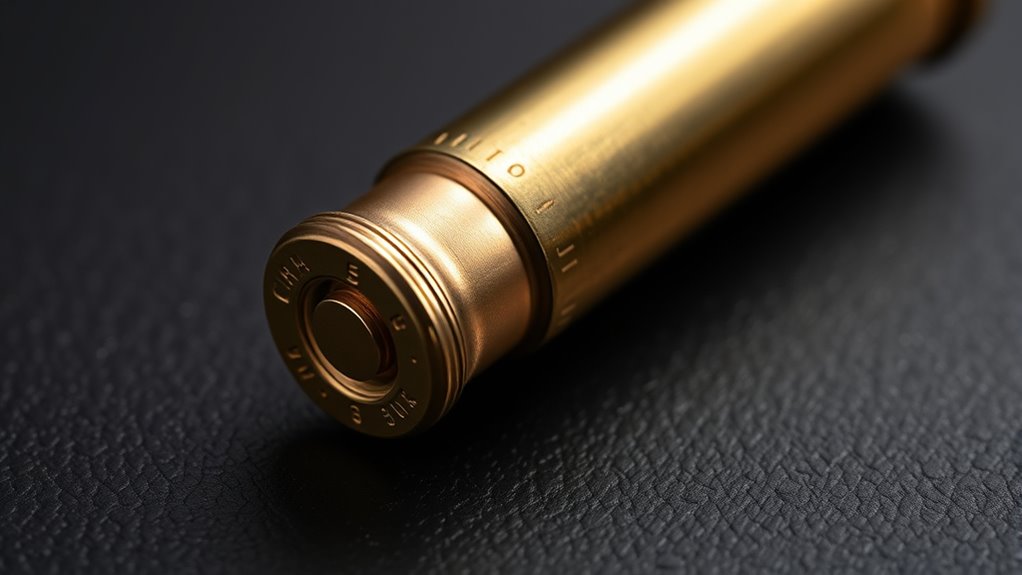
Military-grade 9mm ammo is ammunition that meets strict standards set by the armed forces for reliability, performance, and durability. These standards ensure the ammo delivers consistent ballistic results in different conditions, which is crucial in combat.
Manufacturers follow rigorous processes, often with tighter tolerances and higher quality controls, to produce this ammo. This helps rounds perform predictably, penetrate targets effectively, and work reliably in various firearms.
Manufacturers ensure tighter tolerances and superior quality controls for consistent, reliable, and effective performance in all conditions.
You’ll notice that military-grade 9mm ammo is built to handle harsh environments—like extreme temperatures and rough handling—without losing performance. The manufacturing focuses on precise components such as the casing, primer, and bullet to maximize consistency.
This high level of quality assurance sets military-grade ammo apart from civilian variants. It emphasizes durability, reliability, and excellent ballistic performance, even in demanding situations.
How Can You Recognize Military-Grade 9mm Ammo?
Want to know how to spot military-grade 9mm ammo? Well, a good starting point is to check out the markings and stamps on the cartridge. These should have clear, specific identifiers and codes that indicate their military origin.
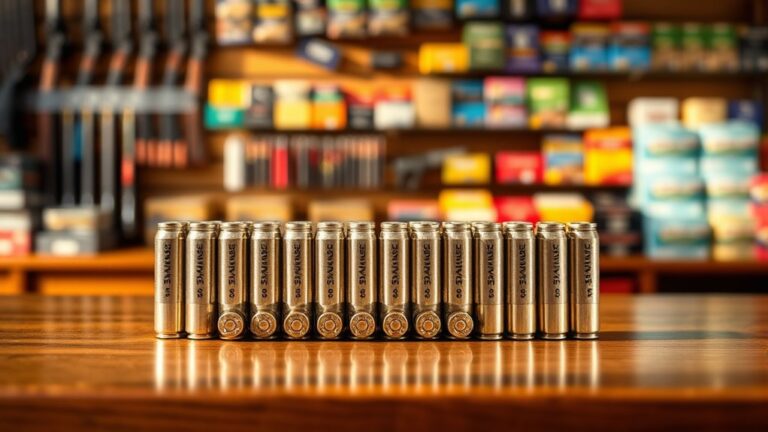
Next, take a look at the projectile itself. It should have consistent and precise dimensions, since military-grade ammo undergoes strict quality control. If everything looks uniform and well-made, that’s a good sign.
Finally, don’t forget to inspect the packaging and labels. They should look professional, with official standards met, and everything properly labeled. If it looks sloppy or irregular, it might not be genuine military-grade ammo.
Recognizable Markings and Stamps
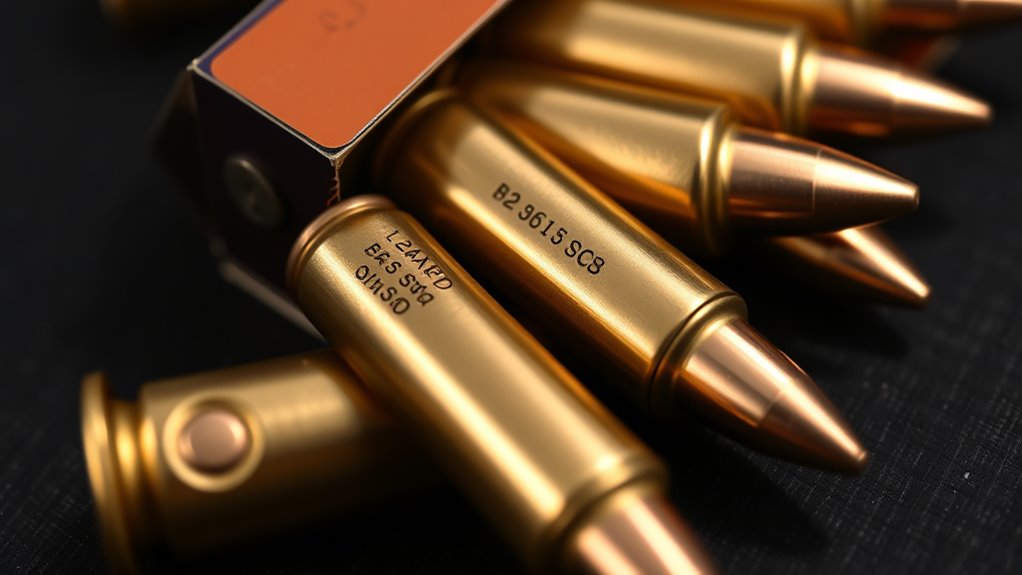
When trying to identify military-grade 9mm ammo, checking the markings and stamps on the cartridge is one of your best clues. Military rounds often have specific stamps showing where they came from, the date, and whether they meet military standards.
Look for markings like “NATO,” which indicate NATO-spec ammunition, or government contract numbers. These stamps can also include lot numbers to trace the ammo’s origin.
Recognizing these markings helps with ballistics comparisons, ensuring your ammo matches military-grade performance. Military rounds tend to be ergonomically designed, making them easier to handle and load consistently.
These stamped identifiers are built into the cartridge to maintain quality and reliability. They make it easier for you to distinguish authentic military-grade 9mm ammo from civilian variants.
Consistent Projectile Dimensions
Aside from markings and stamps, checking the projectile itself can give you useful clues. Military-grade 9mm ammo is usually made with high precision, so you’ll notice very consistent projectile sizes.
The bullets should have the same length, diameter, and ogive shape, with very little variation from round to round. Look for smooth, well-defined surfaces without deformities or irregularities.
This consistency in projectile size helps ensure reliable feeding, accurate shooting, and predictable impact. When manufacturing is off, it often causes discrepancies, so precise, uniform projectiles are a good sign of high-quality, military-grade ammo.
Quality Packaging and Labels
Examining the packaging and labels is a simple way to spot military-grade 9mm ammunition.
Military-grade ammo usually comes in tough, durable packaging designed for harsh storage conditions.
Look for high-quality materials like sealed tins, metal cans, or sturdy plastic containers that resist moisture and damage.
Labels should be clear, professional, and stamped with markings like NATO or military designations.
Authentic military packaging often includes detailed batch numbers, manufacturing dates, and safety warnings.
Be cautious of generic or poorly printed labels, as they could indicate counterfeit or substandard ammo.
Proper packaging and accurate labeling help confirm the ammo’s integrity, ensuring it meets strict military standards for durability and consistent quality.
What Certification Labels Show Military Standards?
How can you tell if 9mm ammo meets military standards? Look for certification labels that verify compliance with official standards.
Common markings include NATO markings or specific military certification stamps, like the “NATO Stock Number” or “MIL-STD” indicators. These labels show that the ammunition has undergone rigorous testing.
This testing ensures durability and reliability in demanding conditions. While certification isn’t a guarantee of perfect performance, it strongly suggests the ammo meets strict military criteria.
Reputable brands often display these marks prominently, backing their ammunition’s durability and consistency. Recognizing these labels helps you distinguish military-grade ammo from lesser-quality options.
It also gives you confidence in its performance. Remember, trusted brand reputation usually goes hand in hand with proper certification.
Checking these labels is a straightforward way to verify that your 9mm rounds align with official military specifications.
What Materials Make Up Military-Grade 9mm Ammo?
Military-grade 9mm ammo is built with high-quality materials designed to withstand harsh conditions and guarantee reliable performance.
Military-grade 9mm ammo is crafted with durable, high-quality materials for reliable performance in tough conditions.
The ammo composition typically includes a brass casing, a lead core, and a copper or steel jacket. These materials meet strict specifications to ensure durability, corrosion resistance, and consistent firing.
Brass casings are preferred because they can be reloaded multiple times and resist deformation under high pressure. The projectile usually features a lead core for effective penetration, with the jacket material boosting flight stability and preventing lead fouling in the barrel.
Steel or copper jacketed rounds may also be used to meet specific military standards. The cores are precisely manufactured to minimize deviations, maintaining consistency in ballistic performance.
How Do Testing Procedures Confirm Military-Grade Quality?
You can tell if something is military-grade by checking how their testing procedures are carried out. They follow strict, standardized protocols to make sure everything is up to snuff. These tests aren’t just for show—they actually check if the ammo performs well and stands up to tough conditions.
And it doesn’t stop there. There’s usually certification and detailed documentation that confirm the ammunition has passed all these rigorous tests. So, when you see those papers, you’ll have a good idea that the ammo meets the high standards expected of military-grade quality.
Standardized Testing Protocols
To verify the quality of 9mm ammunition, strict standardized testing protocols are essential. These procedures make sure manufacturers meet military-grade standards through rigorous assessments.
First, a ballistics comparison is performed, testing factors like velocity, accuracy, and consistency against established military benchmarks. Second, transparency in manufacturing involves detailed documentation of production processes, materials, and quality control measures.
Third, testing labs simulate real-world conditions by testing durability, pressure, and susceptibility to defects. This step confirms the ammo’s reliability. These protocols help differentiate military-grade ammo from lower-quality options.
They also guarantee that each round performs consistently. By following these strict testing procedures, manufacturers can confidently demonstrate their ammunition’s compliance with high standards and build trust with users seeking military-grade performance.
Certification and Documentation
Certification and detailed documentation serve as tangible proof that ammunition has undergone thorough testing and meets rigorous standards.
Historically, military-grade ammo has been documented through official certificates, test reports, and compliance markings, ensuring credibility and traceability. These documents verify that the ammunition adheres to strict military specifications, including durability and performance.
When evaluating market availability, look for authentic certification labels from recognized agencies like the Department of Defense or NATO. Such documentation confirms the ammo’s authenticity and quality, making it easier to distinguish genuine military-grade rounds from commercial variants.
Testing procedures often include ballistic performance, pressure resistance, and durability assessments, which are recorded in official reports. This combination of certification and documentation provides assurance that your 9mm ammo aligns with military-grade standards.
Which Brands Offer Verified Military-Grade 9mm Ammo?
Several brands claim their 9mm ammunition meets military-grade standards, but it’s important to verify these claims before buying. Some manufacturers have historically supplied military forces, which adds to their credibility.
Verify claims of military-grade 9mm ammunition carefully; trusted brands often have military supply history for added credibility.
When you’re shopping, look for brands known for military contracts and strict quality controls. These brands often have more reliable and tested products.
To help you find reputable options, picture these brands:
- Federal Premium. They’re known for extensive testing and military contracts, which means their products meet high standards.
- Lake City. This legacy brand has deep roots in military supply, offering tested and proven ammunition.
- Cor-Bon. They’re a niche leader, often providing ammo that’s tested against military specs with documented quality controls.
How to Verify the Authenticity of Military-Grade Claims?
Because manufacturers can sometimes exaggerate or misrepresent their claims, verifying the authenticity of military-grade ammo requires careful research. Start by checking official specifications from trusted sources like military or government agencies, which often publish standards that define military-grade ammo.
Look for documentation or certification that confirms the ammo meets those standards. Be cautious if descriptions emphasize features like extended ammo shelf life without credible proof, as genuine military rounds are designed for durability and reliability.
Also, consider your firearm’s compatibility; military-grade ammo typically undergoes rigorous testing to ensure it functions properly across various firearms, but not all civilian firearms may match this performance. Cross-reference the manufacturer’s claims with independent reviews or testing results to validate authenticity.
If any detail seems vague or too good to be true, it’s wise to seek expert opinions or avoid questionable products altogether.
What’s the Difference Between Commercial and Military-Grade 9mm Ammo?
Understanding the differences between commercial and military-grade 9mm ammo helps you make informed choices about your firearms and their performance.
Historically, military-grade ammunition is designed for reliability in tough conditions, often featuring stricter quality controls and higher standards.
Military-grade ammo is built for tough conditions with higher quality standards and strict quality controls.
In contrast, commercial ammo focuses on affordability and performance for civilian use.
Consider these key differences:
- *Manufacturing standards*: Military-grade ammo undergoes rigorous testing, while commercial rounds can vary between brands.
- *Reputation of manufacturer*: Reputable military suppliers prioritize durability, consistent success in harsh environments, and strict specs.
- *Usage purpose*: Military ammo is built for combat conditions, whereas commercial ammo is meant for target shooting, self-defense, and hunting.
Knowing these distinctions helps you identify higher quality and see if your ammo matches true military-grade specs.
Your choice depends on understanding the historical differences and the manufacturer’s reputation.
Tips for Choosing True Military-Grade 9mm Ammo
To guarantee you’re selecting true military-grade 9mm ammo, start by researching the manufacturer’s reputation and certifications. Understanding the historical context of military ammunition helps you recognize standards that have been tested over time for durability and reliability.
Look into the manufacturing processes. Military-grade ammo typically involves strict quality controls, often adhering to specific standards like NATO specifications. Manufacturers with a solid reputation usually follow these procedures carefully, ensuring consistent quality and performance.
Be cautious of brands that lack transparent sourcing or verifiable certifications, as these may not meet true military-grade criteria. Modern production methods, including advanced material testing and quality assurance protocols, are indicators of authenticity.
Key Takeaways for Identifying Military-Grade 9mm Ammo
When telling genuine military-grade 9mm ammo from imitations, focus on a few key indicators. First, look at the packaging and markings. Real military ammo usually includes symbols and codes linked to past military conflicts, showing where it’s from.
Next, check the sourcing and labels. Military-grade rounds are made to strict standards, so they tend to be consistently high-quality, unlike civilian rounds which can vary.
Finally, pay attention to the weight and materials. Military rounds are built for durability and reliable performance in tough conditions, making them different from civilian versions.
Usually, genuine military 9mm ammo comes in packaging indicating it’s heavy-duty, test-approved, and meets military specs. Recognizing these points helps you identify true military-grade ammo and steer clear of fakes, keeping safety and compliance in check.
Frequently Asked Questions
Can Civilian Manufacturers Legally Produce Military-Grade 9mm Ammo?
Yes, civilian manufacturers can legally produce military-grade 9mm ammo if they follow strict manufacturing standards and regulations. You should check for proper labels and packaging, which indicate compliance with ammo storage rules and safety guidelines.
Military-grade ammo usually meets rigorous standards, but civilians must still follow laws governing ammunition production and sales.
Ensuring quality control and legal compliance allows civilians to access high-grade ammunition safely and responsibly.
Are There Specific Visual Cues to Distinguish Military-Grade From Commercial Ammo?
You can often spot military-grade 9mm by closely examining armor markings and casing differences. Look for specific stamps or engravings indicating military standards—these are subtle cues hiding in plain sight.
The casings might also feel sturdier or have distinct finishings compared to commercial rounds. While visual cues help, confirming with manufacturer info remains the most reliable method to distinguish military-grade ammunition from civilian types.
How Often Should Military-Grade 9mm Ammo Be Tested for Quality Assurance?
You should test military-grade 9mm ammo regularly, ideally every few months, to guarantee its quality and reliability. Proper ammunition storage is essential to maintaining its integrity over time.
Always check for manufacturing certifications that confirm adherence to military standards. Regular testing helps identify any deterioration or defects early, ensuring your ammo performs consistently during critical moments.
Keep detailed records of inspections to maintain a reliable supply of high-quality rounds.
What Are Common Counterfeit Indicators of Fake Military-Grade 9mm Ammo?
Did you know over 30% of counterfeit ammo cases involve fake military-grade 9mm? To spot fakes, check for brand authenticity, as genuine manufacturers maintain strict quality standards.
Pay attention to packaging discrepancies. Misspelled labels, blurry logos, or improper seals often signal counterfeit products. Always buy from reputable sources, and when in doubt, verify lot numbers with the manufacturer.
Your safety depends on authentic ammo, so stay vigilant!
Does Military-Grade 9mm Ammo Perform Better in All Firearms?
Military-grade 9mm ammo doesn’t necessarily perform better in all firearms. You should compare ballistics and manufacturing standards for your specific gun.
While military-grade ammunition often meets higher standards, performance varies based on firearm compatibility and the specific load. Use a ballistics comparison to see how different rounds perform in your firearm.
Always make sure your weapon is compatible with the ammo to achieve maximum results.
Conclusion
To guarantee you’re getting true military-grade 9mm ammo, look for official certification labels and verify test results. It’s important to do this because only about 15% of ammo claims actually meet genuine military standards.
Recognizing proper markings and understanding the materials used can help you confidently choose reliable, high-quality rounds. Always verify authenticity before purchasing—it’s your best defense for consistency and safety in the field or at the range.
Stay vigilant and make informed choices to ensure top-tier performance when selecting 9mm ammo that truly meets military-grade specs.