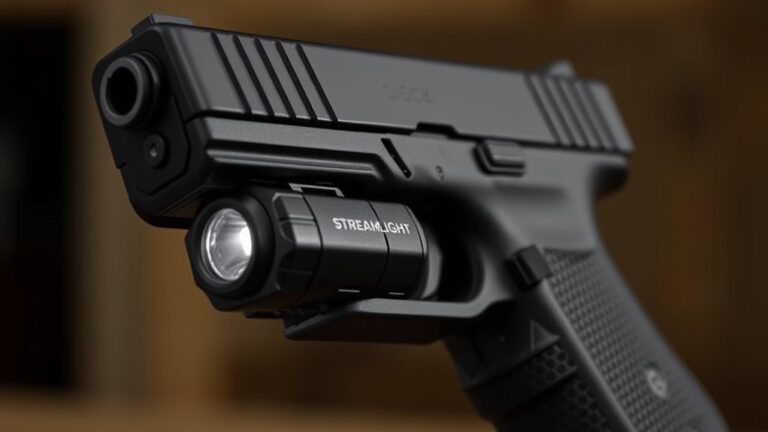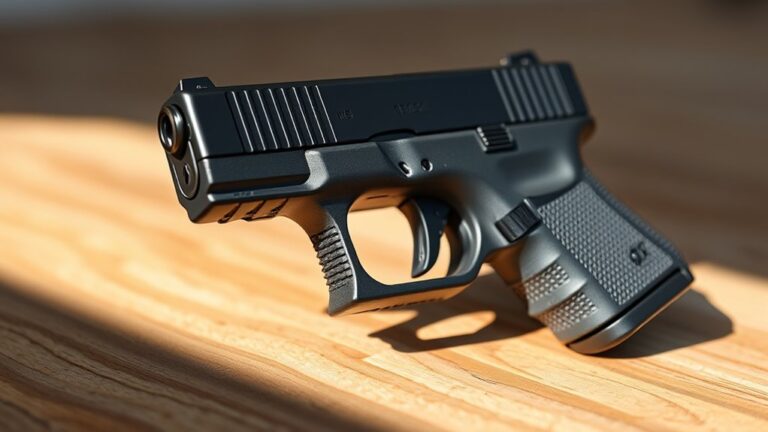
What Makes Striker-Fired Guns Safe
Many gun owners worry about safety when handling firearms, and you’re not alone in that concern. Striker-fired guns are often praised for their safety features, making them a popular choice for those wanting peace of mind.
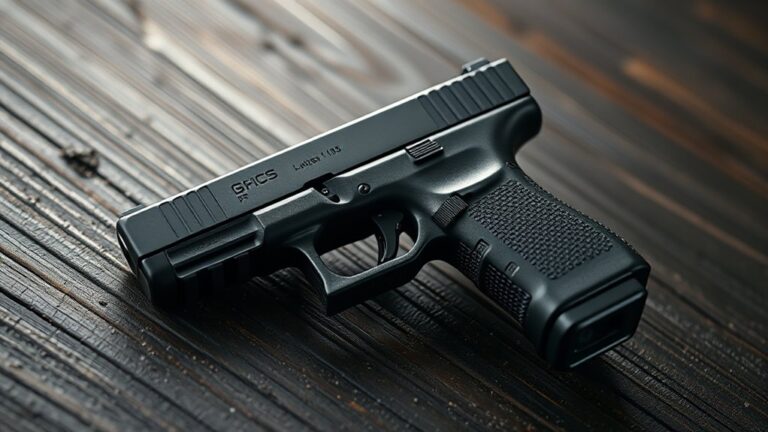
Striker-fired guns are safe because they feature internal safeties that only disengage when you deliberately pull the trigger. This reduces the risk of accidental discharges.
They also have external safety controls like grip safeties, magazine disconnects, and clear safety indicators to help you keep the firearm secure.
Furthermore, their simple design lowers the risk from external parts that could malfunction or interfere.
Using proper handling, maintaining your firearm, and understanding safety features further improve safety. Continuing can teach you more about how these features protect you.
Key Takeaways
- Internal safeties only disengage when the trigger is fully pulled. This helps prevent accidental discharges if you handle or drop the gun unexpectedly.
- Having a consistent trigger feel and pressure build-up makes it easier to control your shots and reduces the chance of firing unintentionally.
- External safety features like grip safeties and magazine disconnects give extra layers of protection, adding peace of mind.
- Good handling habits, like keeping your finger off the trigger and pointing the muzzle in a safe direction, really boost overall safety.
- Regular maintenance, safe storage, and following safety protocols help minimize mechanical failures and reduce mishandling risks.
How Do Striker-Fired Guns Ensure Consistent Trigger Pulls?
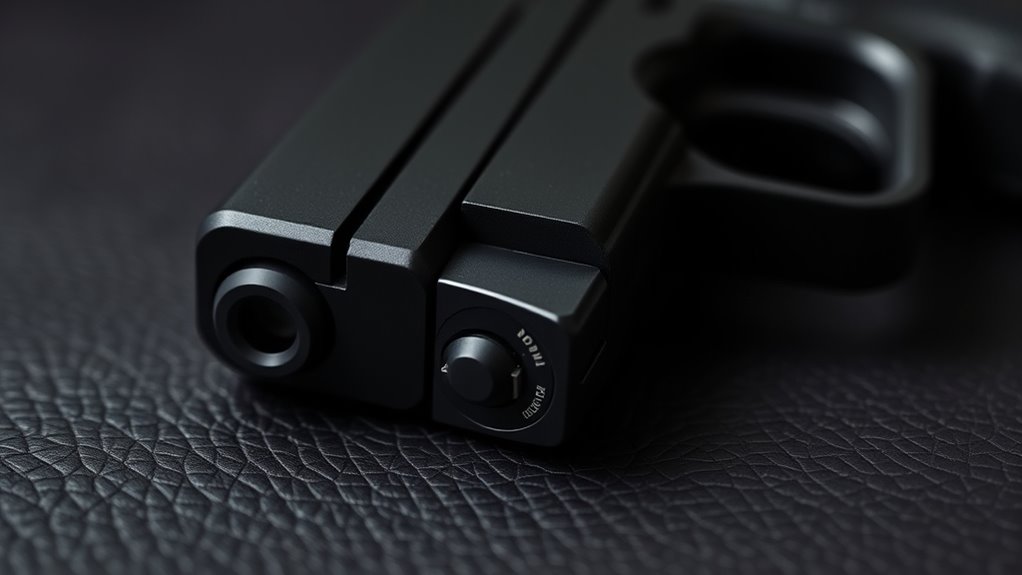
Striker-fired guns are designed to give you a consistent trigger pull, which is really important for accuracy and safety. You’ll notice that each time you pull the trigger, it feels the same, thanks to how these guns are built.
This uniform feel helps reduce surprises when firing, so you can stay in control and aim more precisely. The safety features include internal safeties that only disengage when you pull the trigger fully, stopping accidental discharges.
Many models also have trigger safeties that require deliberate pressure before firing, adding extra security. The trigger builds pressure smoothly and predictably, making follow-up shots easier and less prone to accidental pulls.
What Are the Key Safety Features of Striker-Fired Handguns?
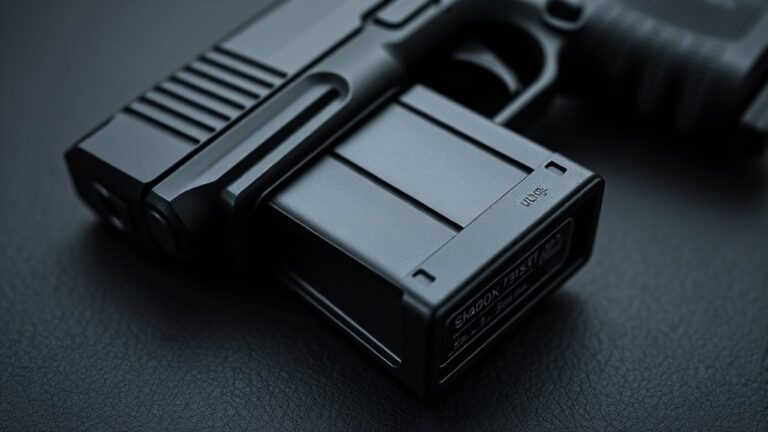
Understanding the safety features built into striker-fired handguns can help you handle them more confidently. Many models prioritize ergonomics, making sure the gun fits comfortably in your hand and reduces accidental slips, which improves safety during handling.
One key feature is the magazine release safety, designed to prevent unintended magazine drops or releases, reducing accidental discharges. Some guns also have a magazine disconnect safety that prevents firing unless a magazine is properly inserted, adding extra protection.
Grip safeties or safety catches can be included to require deliberate action before firing. Clear, tactile safety indicators help you quickly see if the gun is in a safe or ready state.
All these features work together to promote responsible use, ensuring the firearm only discharges when you intend it to. Being aware of and understanding these safety elements can help you manage your firearm more confidently and responsibly.
How Do Internal Safety Mechanisms Protect You in Striker-Fired Guns?
Internal safety mechanisms in striker-fired guns work behind the scenes to prevent accidental discharges, giving you peace of mind. A trigger lock stops the gun from firing unless you intentionally pull the trigger, acting as a crucial safety layer.
Meanwhile, a grip safety requires you to firmly hold the gun before it can fire. This ensures it only discharges when you’re ready. These features work together to keep the gun from going off unexpectedly, even if it’s dropped or handled roughly.
They don’t interfere with your ability to fire when you want to but serve as safeguards during everyday handling. Unlike external safeties, these mechanisms engage internally, reducing the chance of accidental firing.
How Do Striker-Fired Guns Reduce Mechanical Risks From External Parts?
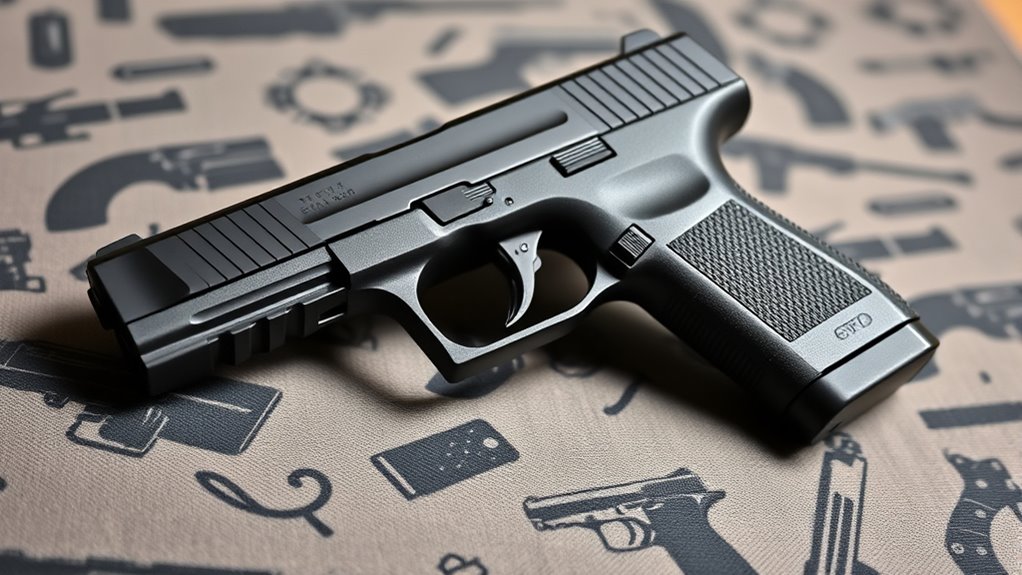
Because there are fewer external parts on striker-fired guns, they naturally lower the mechanical risks from accidental catches or damage. With a streamlined design, there’s less chance of external safety features malfunctioning due to dirt, debris, or impacts.
Fewer exposed moving parts mean less risk of external safety features failing unexpectedly. These guns also stay compatible with ammunition without needing complex external locking mechanisms that could get damaged or be engaged wrongly.
Since the external safety features are often integrated into the frame or slide, they’re less likely to activate accidentally from external contact. This simplicity makes the firearm more reliable and safer to handle.
What Are the Best Handling Techniques for Safe Use of Striker-Fired Guns?
To handle striker-fired guns safely, you need to develop good habits and follow proper procedures consistently. Safety training is essential; it teaches you how to handle your firearm correctly and recognize risky situations.
Always keep your finger off the trigger until you’re ready to shoot, and never point the gun at anything you don’t intend to shoot. Regular firearm maintenance helps ensure your gun functions properly, which reduces the risk of accidental discharges.
Check your firearm for cleanliness, proper lubrication, and any signs of wear or damage. Practice safe handling techniques, like using a firm grip and staying in control during movement.
Always treat every gun as if it’s loaded, even when you believe it isn’t. Proper safety training combined with diligent maintenance helps build good handling habits and minimize risks.
Sticking to these practices consistently makes firearm use safer for you and everyone around you.
How Do Striker-Fired Guns Compare to Hammer-Fired Models in Safety?
When comparing striker-fired guns to hammer-fired models, safety features and handling differences are a big part of the overall safety picture. Striker-fired pistols often have lower chances of accidental discharge because many include internal safeties that disconnect the firing mechanism from the trigger. This helps prevent unintentional firing if the gun is dropped or mishandled.
Hammer-fired models usually depend on external safeties and manual decocking, which can lead to human error. In terms of mechanical reliability, striker-fired guns tend to have fewer moving parts. This reduces the chance of mechanical failure and helps ensure consistent performance over time.
Their simpler design can also boost safety by minimizing unexpected malfunctions during use. Both types can be safe if used responsibly, but striker-fired models’ internal safety features and streamlined design often make them a more reliable and safe choice. Ultimately, the best option depends on your preference and understanding of how these safety mechanisms work.
How Should You Safely Carry and Conceal a Striker-Fired Handgun?
When you’re carrying a striker-fired handgun, it’s really important to pick the right holster. A good holster helps prevent accidental discharges and makes it easy to get to your gun quickly if you need it. Always make sure the trigger guard is fully engaged—whether you’re carrying or handling the gun—to keep it from firing unintentionally.
And don’t forget, practicing regularly with your carry setup is key. It helps you get comfortable and confident with how your gun is carried and ensures you stay safe every time. Safety and readiness go hand in hand when it comes to concealed carry.
Proper Holster Selection
Choosing the right holster is essential to carry your striker-fired handgun safely and effectively. A well-fitted holster guarantees your firearm stays secure and ready for quick access. When selecting one, focus on three key points:
- Holster fit – Make sure it snugly fits your specific gun model to prevent movement or accidental dislodging.
- Concealment strategies – Opt for a holster that allows discreet carry without printing through your clothing.
- Retention and safety – Choose a holster with proper retention features to prevent it from falling out or shifting during daily activities.
Always try different styles and carry positions to find what works best for your body and lifestyle. Proper holster selection improves safety, maintains concealment, and ensures quick, reliable access.
Trigger Guard Engagement
Ever wondered how to safely carry and conceal a striker-fired handgun while ensuring quick access? The key is proper trigger guard engagement. Keep your finger off the trigger until you’re ready to shoot, which helps prevent accidental discharges.
When holstered, make sure the trigger guard is fully covered. This acts as a safety feature and improves grip stability, making it easier to control when drawing. Use a sturdy holster that keeps the gun secure and prevents any movement or accidental engagement.
Below are some best practices:
| Best Practice | Why It Matters | Additional Tips | |
|---|---|---|---|
| 1 | Cover the trigger guard completely | Prevents accidental discharge | Use a snug holster |
| 2 | Keep your finger off the trigger | Maintains trigger safety | Practice safe handling |
| 3 | Ensure grip stability during carry | Better control when drawing | Use proper grip techniques |
| 4 | Verify holster retention | Prevents sudden draws | Choose high-quality holsters |
Consistent Carry Practice
- Always check that your firearm’s safety certifications are current and that it’s rated for concealed carry. This helps ensure it’s up to safety standards and reliable when you need it.
- Keep your finger off the trigger until you’re ready to shoot. This simple habit can prevent accidental discharges caused by subtle trigger sensitivity.
- Use a secure, well-fitting holster that covers the trigger guard completely. It’s a key way to prevent accidental trigger engagement during your daily routine.
Practicing safe carry habits regularly builds muscle memory and confidence. Being consistent reduces risks, speeds up your access, and helps you stay a responsible firearm owner.
What Common Handling Mistakes Should You Avoid With Striker-Fired Guns?
Always remember to keep your finger off the trigger until you’re actually ready to shoot. It’s such a simple step, but it can make all the difference in preventing accidental discharges. And while you’re at it, always point the muzzle in a safe direction—no matter what. Safety first, right?
If your gun has a safety mechanism, make sure it’s engaged when you’re not actively shooting. And don’t rush through handling your firearm. Taking your time helps you stay focused and avoids careless mistakes. It’s easy to become complacent or distracted, but staying alert is key to safe gun handling.
Finger Off Trigger
One of the most common mistakes with striker-fired guns is keeping your finger on the trigger before you’re ready to shoot. This habit can lead to accidental discharges and unsafe firearm handling.
To maintain proper trigger discipline, you should:
- Keep your finger indexed along the side of the frame until you identify a target.
- Only put your finger on the trigger when you’ve made the decision to fire.
- Practice mindful firearm handling and focus on controlling your trigger finger at all times.
Keep Muzzle Pointed
Keeping your muzzle pointed in a safe direction is just as important as proper trigger discipline when handling striker-fired guns. It helps make sure you’re not aiming at yourself or others, even if you think the weapon is unloaded.
During safety training, you’ll learn to always control the muzzle and be aware of where it points. Avoid rushing or careless handling, since quick movements can cause accidental discharges if your muzzle is pointing at something you shouldn’t.
Consistently keeping the gun pointed in a safe direction reduces the risk of injury and shows responsible firearm ownership. Remember, maintaining muzzle discipline is a core safety habit that protects everyone around you and keeps your handling safe.
Engage Safety Mechanism
Engaging the safety mechanism is an essential step in handling striker-fired guns safely, but many people make common mistakes that can compromise this safety. To stay safe and aware, avoid these errors:
First, ignoring the safety mechanism altogether and thinking it’s unnecessary. This can lead to risky handling.
Second, disengaging the safety too early or stressing it while you’re handling the gun. It’s best to keep it engaged until you’re ready to shoot.
Lastly, forgetting to re-engage the safety after every use. Always double-check that it’s back in place before putting the gun away.
How Does Regular Maintenance Keep Your Striker-Fired Gun Safe?
Regular maintenance is essential in ensuring your striker-fired gun remains safe and reliable. By routinely inspecting and cleaning, you prevent malfunctions that could compromise safety.
Ammunition cleaning is part of this process; it guarantees no debris or residue impairs firing, reducing the risk of jams or accidental discharges. Proper cleaning also keeps the gun’s internal components functioning smoothly.
Check how your firearm interacts with your gun holsters regularly. Wear and tear on holsters can affect how securely your gun stays in place, which impacts safety during transport or storage.
Regular maintenance helps you spot potential issues early—like worn parts or loose screws—so you can fix them before they cause safety problems. Remember, a well-maintained firearm performs reliably and reduces accidents, making upkeep a must.
What Are the Best Storage Practices for Striker-Fired Firearms?
Proper storage is essential to guarantee your striker-fired firearm remains safe and secure when not in use. Start by investing in a high-quality gun safe, preferably one that is fire-resistant and lockable.
Next, follow these best practices:
- Keep your firearm unloaded and secure inside the safe, ideally with the magazine removed.
- Store ammo separately to prevent unauthorized access or accidental discharge.
- Regularly review your firearm insurance policy and make sure it covers safe storage practices. This way, you can have peace of mind.
Additionally, ongoing firearm training helps reinforce safe handling, especially when accessing or maintaining your gun. Proper storage not only prevents theft or accidents but also shows responsible ownership.
Frequently Asked Questions
Are Striker-Fired Guns More Prone to Accidental Discharges?
No, striker-fired guns aren’t more prone to accidental discharges if they’re designed with proper safety features. Their trigger safety requires deliberate pressure, helping prevent accidental fires.
A grip safety adds another layer of security by engaging only when held correctly. If you handle them responsibly and ensure these safety features are working, striker-fired guns are safe.
They reduce the risk of unintended discharges even in stressful situations when used properly.
How Long Do Striker-Fired Safety Features Typically Last?
Striker-fired safety features usually last as long as the trigger and safety mechanisms stay in good shape, often years with proper care.
But how long they really last depends on how you use and take care of your firearm. Stay vigilant and keep an eye out for any issues.
If you notice something off, it’s important to inspect and service your gun. Remember, even the most reliable safety features need regular checks to keep your gun safe and ready to go.
Can External Environmental Factors Affect the Safety of Striker-Fired Guns?
External environmental factors can definitely affect the safety of striker-fired guns. Harsh conditions like extreme heat, cold, moisture, or dirt can impact the gun’s mechanical parts.
These conditions might cause malfunctions or even unintentional discharges. That’s why it’s important to regularly inspect and clean your firearm, especially after exposure to tough environments.
Proper maintenance helps reduce risks associated with environmental factors, keeping your gun safe and reliable no matter where you are.
What Training Is Recommended for Safe Handling of Striker-Fired Guns?
Think of handling a striker-fired gun as walking a tightrope. You need balance and focus.
It’s important to undergo thorough firearm safety training that emphasizes trigger discipline and understanding safety mechanisms.
Practice proper grip, stance, and drawing techniques regularly.
Enroll in certified courses, attend live-fire drills, and always keep safety at the forefront.
With consistent training, you’ll develop the skills and confidence to handle your firearm responsibly and safely.
Are There Legal Safety Requirements Specific to Striker-Fired Firearms?
Legal safety requirements for striker-fired firearms can differ depending on where you are. Generally, they include mandates for safety mechanisms like trigger locks or safety keys.
Some laws also require manufacturers to build safety features directly into the trigger mechanism to help prevent accidental discharges. It’s always a good idea to check local laws to make sure you’re in compliance.
And don’t forget—proper training on how a firearm’s safety features work is key for safe handling.
Conclusion
Remember, safety with striker-fired guns isn’t just about the features. They serve as your shield in a world full of risks.
By understanding how they work, handling them properly, and storing them responsibly, you help keep yourself and others safe.
Think of your firearm as a trusted companion. It’s only as safe as your respect and knowledge for it.
Stay vigilant, stay informed, and let safety be your guiding force.