How to Change Your Gun Safe Combination in Three Quick Steps
Many gun owners want to feel confident their safes are secure but worry about changing the combination or unlocking it quickly in an emergency. You’re not alone—learning to manage your safe’s code can seem tricky at first.
To change your gun safe combination in three quick steps, start by gathering your tools and ensuring the safe is powered on.
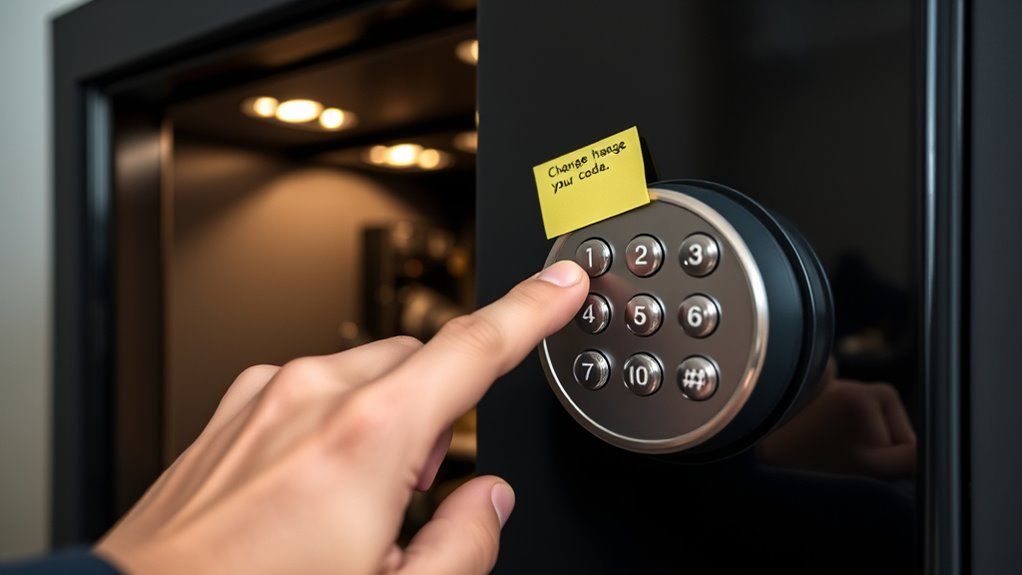
Next, open the safe and enter your current code to access programming mode—usually by holding a specific button or entering a master code.
Then, follow your safe’s instructions to set and confirm a new, secure code. If you want to keep your access secure over time, there’s more to learn about proper techniques and troubleshooting.
Key Takeaways
- Gather your tools, find your current code, and review the safe’s manual before you begin.
- Enter the existing code to access programming mode or reset features.
- Follow the manufacturer’s instructions to set and confirm a new, strong combination.
- Test the new code multiple times to make sure everything works smoothly.
- Securely record and store the new code, then lock the safe properly.
Why Regularly Changing Your Gun Safe Combination Matters
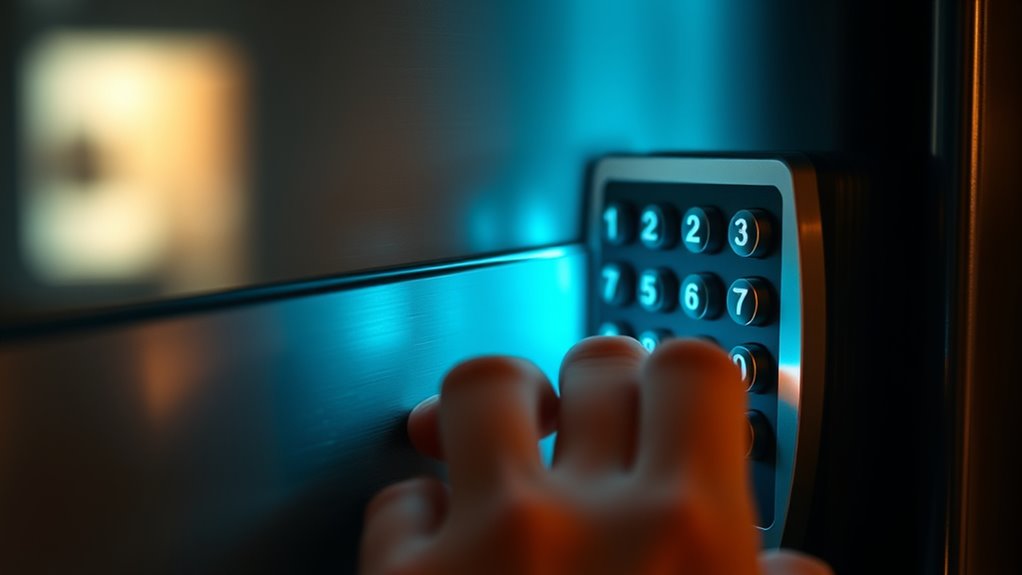
Changing your gun safe combination regularly is key to keeping your firearms secure. Over time, codes can become predictable or written down, which increases the risk of someone unauthorized getting in.
Regularly updating your gun safe code keeps your firearms secure and prevents unauthorized access.
Updating your combination reduces that risk and helps keep your valuables safe. Many safes now have biometric security like fingerprint recognition, providing quick access. But these systems can sometimes malfunction or be hacked.
Having an emergency override is really important, so you can still access your safe if biometric or electronic methods fail. Regularly changing your code makes sure that even if someone knew your old one, it won’t work anymore.
Reviewing your security features, including biometric options and emergency procedures, keeps you prepared for unexpected situations. Staying proactive about your safe’s combination gives you peace of mind knowing your firearms are protected with the latest security measures.
What You Need to Prepare Before Changing Your Safe’s Code
Before you start changing your safe’s code, make sure you’ve got all the right tools ready. It’s also a good idea to find out what the current combination is, just in case you need it.
And don’t forget about safety—taking some precautions before you begin can help you avoid any accidents or getting locked out.
Getting these steps sorted out beforehand makes the whole process much smoother and safer.
Gather Necessary Tools
To successfully change your safe’s combination, you’ll need to gather a few essential tools first. Start with a screwdriver—either Phillips or flathead—depending on your safe’s lock. You might also need a flashlight to see inside the lock mechanism clearly.
Some safes require a reset tool or a specific key, so check your manufacturer’s instructions beforehand. If your safe has a digital keypad, make sure batteries are fresh to avoid interruptions.
Remember, good firearm storage practices prioritize gun safety, so avoid rushing the process. Having these tools ready ensures a smooth, quick change.
Being well-prepared minimizes frustration and helps keep your firearm secure, maintaining your commitment to responsible firearm storage.
Locate Existing Code
Have you located the current combination code for your safe? Before making any changes, make sure you have this information handy.
Knowing your existing code is crucial to verify ownership and avoid installation issues that could impact access later. Check the safe’s manual or look inside the door for a sticker or engraved number if available.
While you’re locating the code, think about the safe’s appearance—be careful not to damage its look or security features. If it was professionally installed, review any setup documentation that might affect the code change process.
Having this info ready makes the process smoother and helps prevent accidental lockouts. Remember, keeping your current code accessible is an important step before updating it.
Ensure Safety Precautions
Ensuring safety precautions are in place is essential before attempting to change your safe’s code. You want to prevent accidental lockouts or security breaches during the process.
Start by reviewing your safe’s manual to understand its specific features and safe customization options. Make sure you have a clear, clutter-free workspace to avoid losing or damaging small components.
Check if your safe has any aesthetic features that might be affected by the change, like digital displays or decorative panels. Furthermore, confirm the location of all keys or override buttons.
These steps help safeguard both your safety and the integrity of your gun safe’s aesthetics while making a code change. Proper preparation ensures a quick, secure, and successful update to your safe’s lock.
How to Access Your Safe and Find the Reset Button
So, you want to change your safe’s combination? The first thing you’ll need to do is find the reset button. Usually, it’s located inside the door or somewhere nearby on the safe’s interior. Take your time to look carefully—you might have to open the door a bit wider or poke around a little.
Once you’ve spotted the reset button, the next step is to get inside the safe to access that mechanism. Just be gentle when opening it up— you want to avoid any accidental damage or weakening its security features. Take your time to reach in carefully, making sure not to force anything. With a little patience, you’ll be ready to set your new combination safely.
Locating the Reset Button
Most gun safes hide the reset button inside or near the keypad, behind a panel, or within a small hole. Finding it takes careful inspection—you shouldn’t force any parts. Once you spot it, you’ll need to understand its purpose to change your combination safely.
Keep in mind, expert locksmith services can help if you’re unsure or can’t find it. Proper gun safety means knowing your safe’s features and making secure modifications.
Remember, pressing or manipulating the reset button incorrectly can lock you out or compromise security. Check your safe’s manual for guidance, as its placement varies between models.
Being precise during this step ensures a smooth reset process and maintains your safe’s security features. Knowing where it is helps you access it efficiently and safely.
Accessing Safe Interior
Gaining access to the interior of your gun safe is a key step when changing the combination because you’ll need to find the reset button.
Start by entering your current code or using the key override if it’s available. Once the safe is open, handle your firearms carefully, always following proper firearm safety rules.
Carefully locate the reset button, which is often behind the door or on the lock mechanism itself. Make sure you’re in a well-lit area and keep your safe secure to prevent anyone else from getting in.
This step is really important for maintaining gun safety during the process. Proper access allows you to change the combination safely without risking damage to the lock or any mishandling of your firearms.
How to Enter Programming Mode With Your Current Combination
Entering programming mode with your current combination is the important first step before making any changes to your safe’s settings. This process unlocks the safe’s internal controls, letting you update the combination securely.
To do this, input your existing code on the keypad, then press and hold the designated programming button, if applicable. Some safes might also require you to enter a master code or use a biometric override for emergency access.
Make sure your safe is powered and working properly before you start. Entering programming mode correctly is crucial because it prevents unauthorized access and keeps your biometric override options safe.
During setup, double-check that all features, including emergency access, are working correctly before you proceed to change the combination. Properly entering programming mode guarantees you won’t lock yourself out or weaken your security later.
Finally, review the instructions specific to your safe model to make sure you follow the right steps for a smooth transition into programming mode.
How to Set a New, Secure Combination
Want to set a new, secure combination? It’s pretty simple. First, pick a strong code that’s tough for others to guess—think about a mix of numbers that only you would know.
Once you have your new code, go ahead and access your safe’s settings. Usually, there’s a way to enter programming mode—just follow the instructions in your safe’s manual. When you’re in, input your current code to get started.
Finally, enter your new combination and make sure to confirm it. Double-check that it’s saved correctly so everything’s ready to go whenever you need it.
Choose a Strong Code
How can you guarantee your gun safe remains secure? Choosing a strong, unique code is essential. Think beyond common patterns or easy-to-guess numbers, especially considering historical firearm policies that emphasize responsible storage.
A secure code reduces the risk of unauthorized access. Remember, ethical considerations also come into play—keeping firearms out of the wrong hands is your moral duty.
To confirm your code is robust:
- Avoid repetitive or sequential numbers
- Use a mix of letters and numbers if possible
- Steer clear of personal details like birthdays
- Regularly update your code to stay secure
Access Safe Settings
Knowing how to access your safe settings is essential for changing your combination securely.
Start by unlatching the safe using your current code or biometric security features.
If your safe offers remote access, make sure you’re connected to your app or online platform and follow the manufacturer’s instructions to enter the settings menu.
Some safes let you modify settings via a digital keypad or control panel, while others may need a physical reset.
Be cautious when accessing these options to prevent unauthorized changes.
Make sure your biometric security features are working properly, as they can add extra protection during this process.
Once inside the settings, you’ll be ready to set a new, secure combination that better guards your valuables.
Confirm New Combination
After entering the settings menu, carefully input your new combination, making sure it’s both secure and memorable. Confirming your code solidifies your safe’s aesthetics and safety.
Take deliberate steps to avoid accidental errors that could compromise security. Remember, a well-chosen combination aligns with emergency procedures, allowing quick access when needed.
- Use a combination that’s easy for you but hard for others to guess.
- Test your new code multiple times to confirm it works smoothly.
- Avoid common patterns or easily guessable numbers.
- Keep your combination private to maintain your safe’s security.
These steps ensure your safe remains both functional and discreet, balancing aesthetics with quick access in emergencies. Proper confirmation helps maintain the integrity of your security system.
Testing Your New Combination to Ensure It Works
Before relying on your new combination, it’s important to test it several times to make sure it works smoothly. Entering the code consistently helps you avoid getting locked out during an emergency.
When testing, open and close the safe multiple times to check if the lock engages properly and the combination works seamlessly. This step ensures your safe stays reliable, which is crucial for maintenance and security.
If your safe is insured, keeping it in good working condition can also protect your coverage. Malfunctioning locks might put your policy at risk, so it’s worth keeping everything in top shape.
Make sure you’re in a distraction-free environment while testing your new combination. If you notice resistance or issues, revisit the instructions and readjust the combination as needed.
Regularly testing your lock is a simple but effective way to keep your safe secure and ready when you need it most.
Common Mistakes to Avoid When Changing Your Safe Code
Changing your safe code might seem simple, but skipping some precautions can cause frustrating errors or lockouts. One common mistake is using obvious or predictable codes, which can compromise your safe’s security.
Also, avoid changing the code in busy or visible areas. Poor safe placement can expose your new combination to prying eyes. Make sure your safe is in a discreet, secure spot.
Don’t forget to properly document your new code. Failing to record it securely can make future access tricky. Rushing through the process can lead to input mistakes and make it harder to get in later.
Use strong, unique codes that are hard to guess to keep your safe secure. Keep a secure record of your code, so you don’t have to rely on memory. And take your time during the change to avoid errors.
What to Do If You Forget Your Safe’s Old Code
If you’ve forgotten your safe’s old code, don’t panic—there are steps you can take to regain access. First, try to use any backup or override options your safe provides, often a key or mechanical lock.
If that isn’t possible, focus on Code recall methods. Check if your safe has a reset feature or a backup code you previously stored. Some safes also require a specific sequence to access maintenance mode, allowing you to reset the code.
Regular safe maintenance, like updating your combination securely and keeping records, helps prevent future lockouts.
If all else fails, consult the manufacturer’s instructions or contact professional locksmith services trained in safe access.
Troubleshooting When the Reset Process Doesn’t Work
When the reset process fails to work, it can be frustrating, but there are still steps you can take to fix the issue. First, double-check the user manual or manufacturer’s instructions, as some safes need specific procedures.
If that doesn’t help, consider the historical references of safe mechanisms—older models may require different reset methods or reprogramming. Legal considerations also come into play; don’t force the lock if you’re unable to reset the combination, as it might void warranties or protections.
Make sure the safe is getting power or that your batteries are fresh. You can also contact the manufacturer’s customer support for guidance.
Check for any recall notices or updates related to your safe model too. If needed, consider calling in a professional locksmith, especially for high-security or older safes, since mishandling could cause damage or void warranties.
Tips to Keep Your Safe’s New Combination Secure Over Time
To make sure your safe’s new combination stays secure over time, pick a strong, unpredictable code and don’t share it with others. Change your combination regularly to keep your firearm and personal safety protected.
Avoid writing down your code where others might see it. Instead, memorize it or store it securely offline. Be careful when entering your combination in public or around others—stay away from obvious sequences or common patterns.
Keep your safe in a hidden spot to reduce the chance of theft or unwanted access. Periodically test your lock to make sure it works smoothly and that the combination hasn’t been compromised.
Educate family members or trusted friends about the importance of firearm security. Share access only with those who truly need it. By following these tips, you’ll protect your belongings and keep yourself and loved ones safe.
Staying consistent and vigilant is key to keeping your safe’s new combination secure over time.
Frequently Asked Questions
Can I Change My Safe’s Combination Without the Original Code?
You can usually change your safe’s combination without the original code by exploring different lock types like keypad or biometric locks, which often have reset options. Check your safe’s manual for tips on maintenance or contact the manufacturer for help.
Some safes come with override keys or master reset options. But don’t try to force it, because that could damage the lock. Always follow safety protocols to avoid issues.
How Often Should I Update My Gun Safe Combination?
You should update your gun safe combination regularly to improve security, ideally every six months or after any suspicious activity. Use your digital keypad to easily change the code yourself.
Consider investing in security accessories like a keypad cover or alarm system for added protection. Frequent updates prevent unauthorized access, keeping your firearms safe.
Staying proactive with safety measures ensures your valuables remain secure at all times.
Is It Safe to Change My Code if I Suspect Theft?
Yes, it’s safe to change your code if you suspect theft. Doing so can help improve your home security and keep your safe a reliable place for your valuables.
Regular safe maintenance, like updating your combination when needed, helps reduce risks. By changing your code quickly, you protect your belongings and stay in control.
Always follow the manufacturer’s instructions, and think about changing your code periodically. This is especially important if you suspect any security breach.
What Should I Do if the Reset Button Is Stuck?
When the reset button feels like it’s stuck, it’s a lot like trying to open a door that’s been sealed shut for years.
Gently wiggle and press around it, but avoid using too much force since that might cause damage.
If it still won’t move, you can try applying a tiny bit of lubricant or check the manufacturer’s troubleshooting guide.
Can I Assign Multiple Codes to One Gun Safe?
You can’t usually assign multiple codes to one gun safe because most security systems only allow a single master code for safety reasons.
Regular maintenance like making sure the battery is fresh is really important for the code to work correctly.
If you need more access options, look for safes that have multiple user codes or biometric features.
Just remember, keeping the battery fresh and following security protocols is key to preventing unauthorized access and ensuring everything runs smoothly.
Conclusion
Changing your gun safe combination is easy if you follow these steps carefully. Just take your time and do it right.
Remember, don’t leave your new code lying around or share it with others. Keep your combination secure, and update it regularly to stay ahead of potential risks. Think of your code as your best armor—protecting what matters most.
Stay vigilant, stay safe, and never underestimate the importance of a strong, unique code.