How to Identify NATO Ammo
Many gun enthusiasts and shooters often find themselves confused when trying to distinguish genuine NATO ammo from other types. You’re not alone—navigating the world of ammunition can be tricky, especially when authenticity matters for safety and performance.
To identify NATO ammo, check for specific markings and symbols stamped on the cartridge base or case, like NATO codes, flags, and official insignia. Look for consistent headstamps, case finishes, and sizes typical of NATO rounds—such as 5.56mm or 7.62mm.
Verify packaging and labels match official standards. Recognizing these details can help confirm authenticity.
If you keep exploring, you’ll uncover even more tips to confidently identify genuine NATO ammunition.
Key Takeaways
- Check for official NATO markings, insignia, or codes stamped on the cartridge base or casing.
- Examine the headstamp for manufacturer details, NATO symbols, country flags, and standard codes.
- Verify the cartridge dimensions and case shape against known NATO specifications.
- Look for consistent packaging, lot numbers, and proper labels indicating compliance.
- Observe the case finish and color; NATO rounds often have specific textures or lacquered coatings.
What Is NATO Ammunition and Why Identification Matters
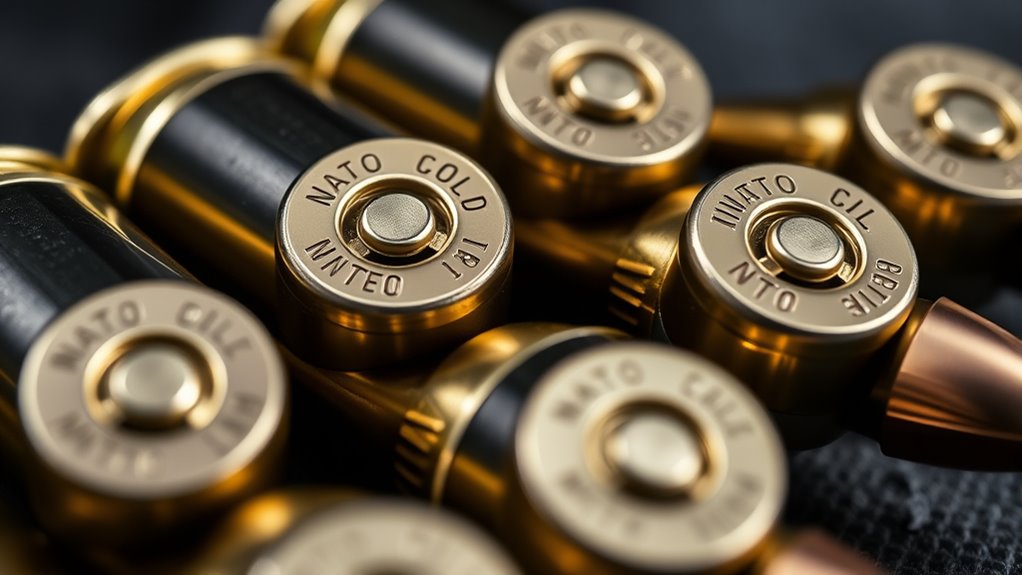
NATO ammunition refers to rounds standardized by the North Atlantic Treaty Organization to ensure compatibility among member countries’ armed forces. The origins of NATO ammunition date back to the alliance’s formation after World War II, aiming to make military logistics smoother among member states.
Standardization guarantees different armies can share and use ammunition seamlessly during joint operations. This fosters interoperability and makes missions more efficient. Its importance goes beyond logistics—it’s also a symbol of unity and cooperation among NATO members.
Standardized ammunition fosters seamless cooperation and unity among NATO allies during joint military operations.
By following common specs, member nations cut down on logistical headaches and boost readiness, especially during multinational missions. Knowing where NATO ammunition comes from helps you understand its key role in global security and military teamwork.
Identifying these rounds is crucial for safety, logistics, and tactical reasons. It lets armed forces and collectors distinguish NATO-standard ammunition from other types.
Ultimately, understanding NATO ammunition’s background and significance highlights its vital part in modern military cooperation.
How to Recognize NATO-Caliber Markings and Symbols
Want to get a good handle on NATO-caliber markings? It’s pretty straightforward once you know what to look for. Basically, you’ll see certain symbols and codes stamped onto the ammunition which act like signatures. These markings usually appear on the cartridge case or the bullet itself.
Keep an eye out for common symbols and where they’re placed — that’s the key to figuring out the caliber and where the ammo comes from. Once you’re familiar with these visual clues, you’ll be able to identify NATO-caliber rounds with confidence.
Standard NATO Markings
Recognizing NATO-caliber markings and symbols is key for quickly identifying ammunition. These markings follow a standardized system set up during the Cold War to ensure interoperability among member nations.
You’ll typically see alphanumeric codes on blued steel casings, like “7.62 NATO.” These are stamped during manufacturing to ensure consistency across different suppliers.
The symbols often include geometric shapes or arrows, which indicate specific traits like incendiary or tracer rounds. Understanding these markings helps you tell NATO-standard ammo apart from others.
Being familiar with these markings makes identification faster and easier, especially in the field or when collecting.
Common Caliber Symbols
NATO-caliber markings are usually simple alphanumeric codes and symbols stamped directly onto cartridge cases, making them easy to identify once you understand their meaning. These markings typically include designations like “7.62 NATO” or “5.56 NATO,” which follow standardized specs.
By recognizing these symbols, you can also learn about their history, showing how NATO ammunition has evolved over time. Understanding the markings can also highlight environmental concerns, as older calibers might contain components with higher ecological risks.
Variations in markings can indicate different production batches or countries of origin. Knowing common caliber symbols helps you quickly and accurately identify NATO ammo, while also appreciating their historical background and potential environmental impacts.
Identifying Marking Locations
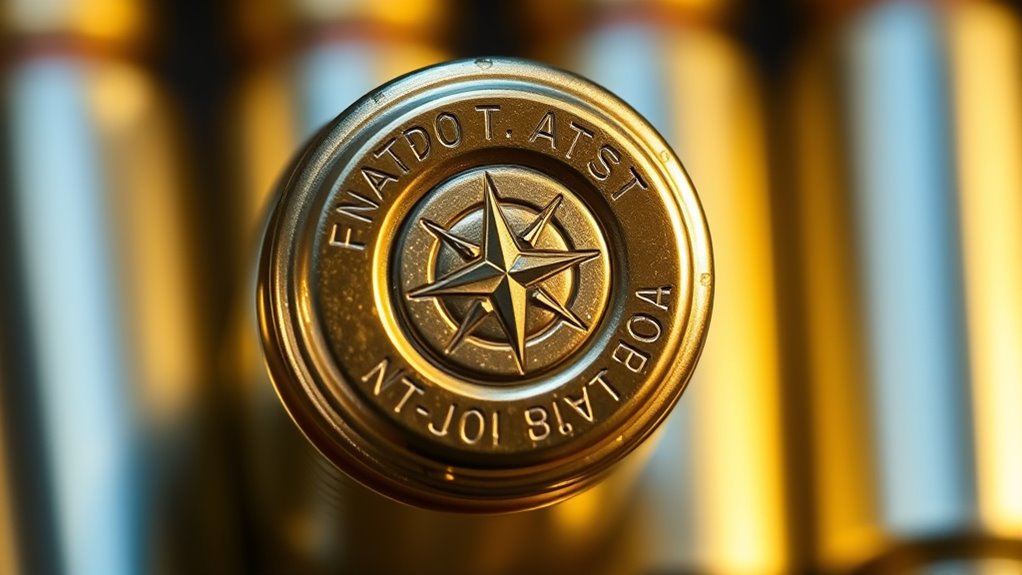
NATO markings are usually stamped directly onto the base or rim of the cartridge case, making them easy to spot during inspection. These markings help quick identification of NATO ammo.
These markings trace back to standardized military practices from NATO’s formation, ensuring consistency across different countries. During manufacturing, symbols and codes are pressed into the metal to show caliber, origin, and lot number.
To read these markings, check the bottom surface of the cartridge. The symbols are often located in specific positions and are arranged in a pattern. Recognizing these helps confirm NATO compatibility and manufacturing details.
NATO Cartridge Sizes and Specifications Made Simple
NATO cartridge types are designed to be standardized, so they work reliably across a variety of firearms. This consistency makes it easier for users to recognize and handle different rounds without fuss. When you get familiar with the common sizes, standard measurements, and what those markings stand for, it all becomes much simpler.
Knowing these details helps you quickly identify each round. It’s really handy because it makes managing ammunition straightforward and dependable—whether you’re at the range or in the field.
Common NATO Cartridge Types
Understanding the most common NATO cartridge sizes is essential for selecting the right ammo for your firearms, whether military or civilian.
NATO standardized certain calibers to ensure soldiers from different countries can use the same ammunition. Popular types like 5.56×45mm NATO and 7.62×51mm NATO have specific traits suited for different combat situations.
Legal considerations are also important. Some NATO rounds are regulated differently across countries, which can affect firearm ownership and legality.
Knowing these common types helps you avoid confusion and makes sure your firearm is compatible with the ammo you choose. It also helps you stay compliant with local laws.
Having a good grasp of NATO cartridges provides a strong foundation for safe, effective ammunition handling. Whether for training, defense, or fun shooting, understanding these types makes a difference.
Mastering this knowledge makes it easier to identify the right ammunition quickly and supports responsible firearm use anywhere you go.
Standard Cartridge Dimensions
Knowing the standard dimensions of NATO cartridges helps ensure compatibility and safety when selecting and handling ammunition. NATO standards specify exact measurements for cartridge cases, including caliber, case length, and shoulder diameter.
These specifications confirm uniformity across weapons and ammunition types. They’re based on a complex history of ammunition development that has evolved to meet operational needs while keeping forces interoperable.
Understanding these measurements helps you quickly identify genuine NATO ammo and avoid misfires or accidents. The standards also enable manufacturers to produce consistent, reliable rounds, making ammo handling safer and more predictable.
Identification Markings Meaning
Identification markings on NATO cartridges give you important details about their size, origin, and specs, making it easier to pick the right ammo for your weapon.
These markings tell you about the ammunition’s history and manufacturing, helping ensure compatibility and reliability.
Typically, markings include a code, caliber, and country of origin, which often look like a mix of numbers and letters. Here’s a quick breakdown:
| Marking | Meaning |
|---|---|
| NATO Code | Standardized ID for size, like 5.56×45mm or 7.62×51mm |
| Lot Number | Shows the manufacturing batch for quality control |
| Country Flag | Indicates where it was made, ensuring you understand the standards |
These markings help you quickly identify and verify NATO ammo, which is based on a shared history and strict manufacturing processes.
How to Read Headstamps on NATO Ammo
Every NATO round carries markings called headstamps that tell you crucial details about the ammunition. By checking these marks, you can learn about where and when it was made, as well as its background.
The headstamp usually shows the factory code and often what year it was produced. You might also see a lot number or batch code, which helps trace the production during specific periods.
Understanding the symbols and abbreviations in NATO headstamps reveals the origin and logistical history of the ammo. Since NATO rounds are widely distributed among allied nations, the markings can also indicate the country of origin.
They show whether the ammo conforms to NATO standards and give clues to its age and manufacturing location. With some practice, you’ll quickly learn how to decode these markings and gain insights into the ammo’s background.
This knowledge can help you identify NATO ammunition beyond just how it looks.
Identifying NATO Ammunition by Case Color and Finish
Case color and finish can be quick visual clues to identify NATO ammunition types, especially when you’re in the field or just have a quick glance. Recognizing these helps with reloading and comparing ballistics fast.
NATO rounds usually have standard case finishes. For example, steel cases often have a dull or matte surface, while brass cases tend to look brighter and lacquered. These finishes tell you about the material and if they’re protected against corrosion.
Here’s a simple guide:
| Case Color/Finish | Material | Typical Usage |
|---|---|---|
| Dull or Matte Gray | Steel | Military surplus, armor piercing |
| Bright Brass | Brass | Common for practice or civilian use |
| Lacquered Finish | Brass or steel | To prevent corrosion during storage |
Spotting NATO-Standard Ammunition in the Field and Collection
When you’re out in the field or going through a collection and you spot NATO-standard ammunition, it’s important to look closely at the markings and stamps. These usually tell you a lot about the source and the specifications of the rounds. Sometimes, a quick glance isn’t enough, so take your time to really check these details.
It’s also a good idea to compare the cartridge dimensions and the shape of the cases with known standards. These physical features can help you verify if the ammunition is authentic or not. Bottom line—being thorough and paying attention to these small details will make your identification much more accurate.
Markings and Stamps
Recognizing NATO-standard ammunition in the field depends on understanding the markings and stamps. These often include alphanumeric codes, symbols, and date stamps that link back to the manufacturing history.
NATO rounds are marked with standard identifiers like the NATO stock number (NSN), which makes quick identification easier. Other stamps show the country of origin, proof marks, and batch numbers.
These markings help confirm if the ammo is genuine NATO. They’re usually found on the base of the cartridge case or projectile. Paying attention to these details allows you to distinguish official NATO ammo, whether you’re in the field or collecting.
Cartridge Dimensions and Case Shape
| Caliber | Case Shape | Typical Length |
|---|---|---|
| 5.56mm | Straight | 45mm |
Knowing these details helps you quickly identify NATO ammo, especially when collecting or field testing. It emphasizes ballistics consistency rooted in NATO’s design evolution.
| Caliber | Case Shape | Typical Length |
|---|---|---|
| 7.62mm | Tapered | 51mm |
| 9mm | Straight | 19mm |
Familiarity with these dimensions makes it easier to tell different rounds apart and understand their performance characteristics.
Tips for Verifying Authentic NATO Ammunition
Verifying authentic NATO ammunition requires paying close attention to specific markings and packaging details. Understanding the historical context of NATO standards and ammunition manufacturing helps you recognize genuine items.
Look for specific stamps, such as the NATO cross, which indicate compliance with official specs. Packaging should include clear markings like lot numbers, manufacturer codes, and symbols that match known NATO standards.
Authentic NATO ammo often features consistent headstamps that reflect strict manufacturing processes. To confirm authenticity, consider these tips:
- Check for proper NATO markings, such as a cross or other official symbols
- Verify packaging for official labels, lot numbers, and manufacturer info
- Cross-reference headstamps and markings with known historical NATO standards
These details help guarantee you’re dealing with genuine NATO ammunition, which adheres to rigorous manufacturing practices rooted in its historical context of standardized military supplies.
Comparing NATO and Non-NATO Markings: What to Watch For
When comparing NATO and non-NATO markings on ammunition, you’ll notice clear differences that can help identify where it’s from and how genuine it is. The historical context is important—NATO markings usually follow standard codes set during the alliance’s creation, reflecting consistent and regulated labeling.
These markings typically include specific NATO insignia, a country code, and a lot number, which are consistent across member countries. Manufacturing differences are also obvious; NATO ammo often has clean, precise stamps with well-known symbols showing it meets strict quality standards.
NATO ammo features precise stamps, official insignia, and consistent markings indicating strict quality standards.
Non-NATO ammunition might not follow these standards. You might see inconsistent fonts, missing or different symbols, and less detailed markings. Recognizing these visual clues makes it easier to tell NATO rounds from non-NATO ones.
Ultimately, understanding these differences—based on history and manufacturing—helps you quickly assess the origin, authenticity, and reliability of ammunition just by looking at it.
Common Mistakes When Identifying NATO Ammo and How to Avoid Them
Despite your best efforts, it’s easy to make mistakes when identifying NATO ammo, especially if you’re not familiar with the subtle differences.
Misinterpreting markings or overlooking key features can lead to errors. One common mistake is confusing older ammunition with modern NATO standards, which have evolved over time.
Manufacturing standards have changed, affecting cartridge markings and packaging. To avoid this, pay close attention to details like headstamps, color codes, and labeling practices.
Recognize that:
- Older ammunition might not have the current NATO markings but still follows historical manufacturing standards
- Some markings can look similar to non-NATO rounds, so compare carefully
- Variations in packaging or labels may mislead your identification process
Understanding these nuances helps prevent errors and ensures accurate identification, especially given the historical developments shaping modern NATO ammo. Always cross-reference markings with reliable sources.
Additional Resources for Recognizing NATO Ammunition
To effectively recognize NATO ammunition, it’s helpful to consult various trusted resources designed specifically for identification. These include reference guides, official catalogs, and online databases that compile detailed information about historical changes and markings.
Many collector tips focus on noticing subtle differences in headstamps, casing marks, and finish types. These details can reveal the ammo’s origin and era, helping you distinguish NATO rounds from other types.
Understanding shifts in design and manufacturing techniques over decades is also key. Recognizing these changes can improve your ability to identify NATO rounds accurately and determine their age.
Collector communities and forums are great for sharing insights. They often showcase real-world examples and provide expert advice, which can be incredibly helpful.
Museums and official military archives offer authoritative references to confirm details. Using these resources, you’ll develop a sharper eye and better understanding of NATO ammunition.
All of these tools are essential for building your knowledge and confidence. They help you recognize genuine NATO rounds, understand their evolution, and avoid common pitfalls.
Frequently Asked Questions
Can Non-Nato Ammunition Be Mistaken for NATO Rounds?
Yes, non-NATO ammunition can be mistaken for NATO rounds, especially if you only look at it visually. It’s easy to get confused without examining the details carefully.
You should check the markings and manufacturer codes closely. NATO rounds usually have specific stamps that show they meet standards.
Non-NATO ammo might lack these markings or have different symbols. Always double-check these details to be sure.
This helps avoid confusion and ensures you’re handling the right kind of ammunition. It’s important for safety and compatibility.
Are There Specific Ways to Test NATO Ammunition Authenticity?
Imagine you’re unsure if a NATO round is genuine. You can test its authenticity through ballistic testing, which checks if the ammo performs to NATO standards.
You can also perform marking verification by examining stamps or engravings, like the NATO cross or specific codes. Make sure these markings match official identifiers.
These methods help confirm authenticity, so you know you’re handling legitimate NATO ammo and avoiding counterfeit or non-compliant rounds.
How Often Do NATO Ammunition Markings Change?
NATO ammunition markings follow strict standards that usually stay the same over time.
But when new technology or standards come in, the markings might evolve.
It’s a good idea to regularly check official NATO updates or military publications, since markings can change periodically.
Staying informed helps you recognize genuine NATO ammo and understand the latest markings, which keeps your operations and equipment safe.
Is There Legal Risk in Collecting NATO Surplus Ammo?
Is collecting NATO surplus ammo risky? There can be legal considerations you need to be aware of, especially regarding import/export laws and storage regulations.
Laws vary by country and state, so you risk penalties if you don’t conform. Always research local regulations thoroughly and validate proper storage to avoid legal trouble.
Staying informed and legal protects you while allowing you to enjoy your collection safely and responsibly.
Can You Identify NATO Ammo Without Opening the Cartridge?
You can often identify NATO ammo without opening the cartridge by examining its ammunition markings. Look for markings like “NATO,” “OTAN,” or specific symbols indicating NATO standards.
Furthermore, check the cartridge materials; NATO rounds typically have brass casings and standardized measurements. These markings and material clues help determine if the ammo is NATO-issued, making it easier to identify without risking damage or safety.
Conclusion
Just as Sherlock Holmes pinpoints clues to solve a case, you can identify NATO ammunition by paying attention to markings, case colors, and headstamps. These details are your key to recognizing authentic NATO ammo.
Mastering these identifiers keeps you informed and confident about your ammunition choices. Remember, in the world of firearms, knowing your ammunition isn’t just about safety — it’s your secret weapon.
Stay vigilant, hone your skills, and become the expert who’s always one step ahead in identifying NATO ammo.